As we age, it’s natural to want to maintain our health and vitality. While aging is an inevitable part of life, there are nutritional strategies that can help us age gracefully and maintain our well-being as we grow older. By focusing on the right foods and nutrients, we can support our bodies and promote healthy aging. In this article, we will explore some key nutritional strategies that can help with aging gracefully.
Maintaining a Balanced Diet
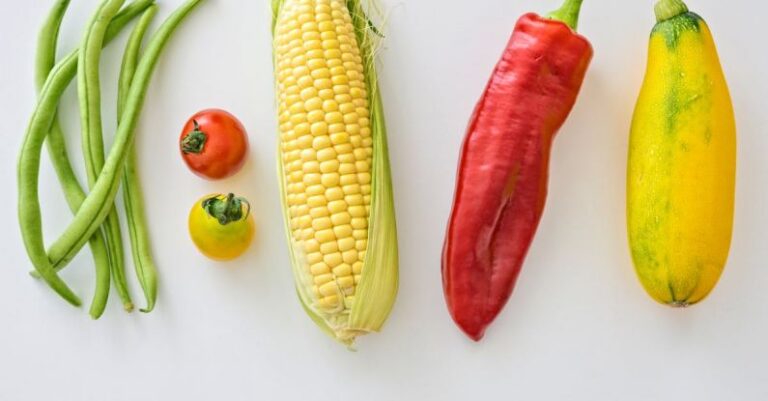
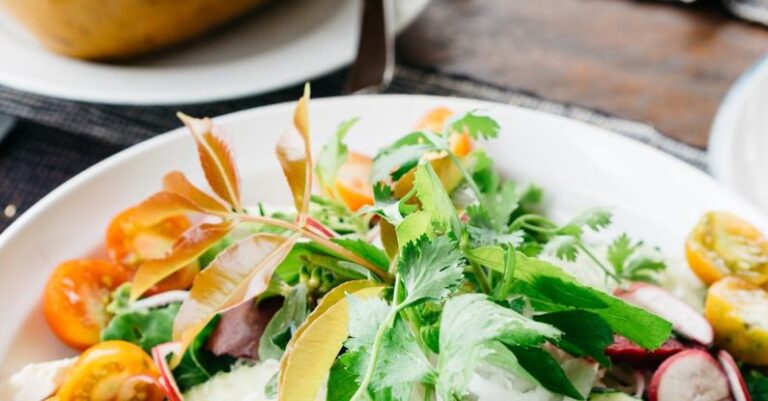
A balanced diet is essential for overall health and well-being, especially as we age. Eating a variety of nutrient-dense foods can provide the body with the essential vitamins, minerals, and antioxidants it needs to function optimally. Include a colorful array of fruits and vegetables in your diet to ensure you are getting a wide range of nutrients. Whole grains, lean proteins, and healthy fats should also be part of your daily meals to support your body’s needs as you age.
Hydration is Key
Staying hydrated becomes increasingly important as we age. Dehydration can lead to a range of health issues and can exacerbate existing conditions. Make sure to drink plenty of water throughout the day and limit the consumption of sugary beverages and alcohol. Herbal teas, sparkling water, and infused water can be great alternatives to plain water if you struggle to meet your hydration needs.
Incorporating Anti-Inflammatory Foods
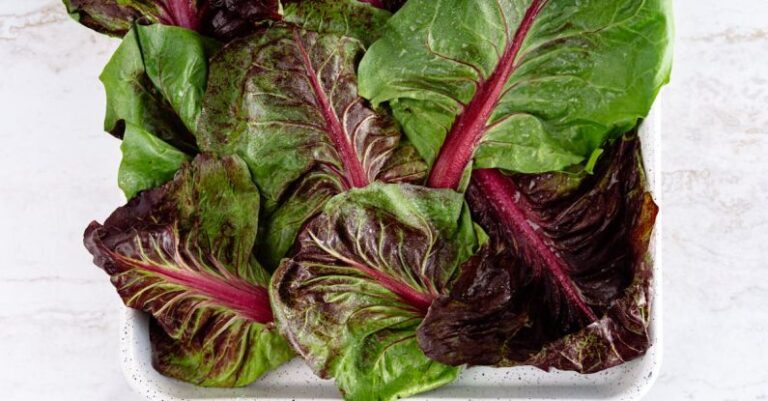
Chronic inflammation is a common issue associated with aging and can contribute to various health problems, including cardiovascular disease, arthritis, and cognitive decline. Including anti-inflammatory foods in your diet can help reduce inflammation and support overall health. Foods such as fatty fish, nuts, seeds, berries, leafy greens, and turmeric are known for their anti-inflammatory properties. Incorporating these foods into your meals can help combat inflammation and promote healthy aging.
Prioritizing Omega-3 Fatty Acids
Omega-3 fatty acids are essential fats that play a crucial role in brain health, heart health, and overall well-being. As we age, it becomes even more important to prioritize omega-3 fatty acids in our diet. Fatty fish like salmon, mackerel, and sardines are excellent sources of omega-3s. Plant-based sources such as flaxseeds, chia seeds, and walnuts also provide these beneficial fats. Consider incorporating these foods into your diet regularly to support your cognitive function and cardiovascular health as you age.
The Importance of Protein
Protein is essential for maintaining muscle mass, bone health, and overall strength, especially as we age. Including an adequate amount of protein in your diet can help prevent muscle loss and support healthy aging. Lean sources of protein such as poultry, eggs, tofu, legumes, and Greek yogurt are great options to consider. Spread your protein intake throughout the day to support muscle synthesis and repair.
Embracing Antioxidant-Rich Foods
Antioxidants play a key role in protecting the body from oxidative stress and cellular damage, which can accelerate the aging process. Including antioxidant-rich foods in your diet can help combat free radicals and support healthy aging. Berries, dark leafy greens, nuts, seeds, and colorful vegetables are all excellent sources of antioxidants. Consider incorporating these foods into your meals to promote longevity and well-being.
The Benefits of Probiotics
Probiotics are beneficial bacteria that support gut health and immune function. As we age, maintaining a healthy gut microbiome becomes increasingly important for overall health. Consuming probiotic-rich foods such as yogurt, kefir, sauerkraut, and kimchi can help support your gut health and promote a strong immune system. Additionally, consider taking a high-quality probiotic supplement to ensure you are getting a diverse range of beneficial bacteria.
Prioritizing Bone Health
As we age, bone health becomes a significant concern, especially for women who are at a higher risk of osteoporosis. Including calcium-rich foods such as dairy products, leafy greens, and fortified plant-based milks in your diet can help support bone health. Vitamin D is also crucial for calcium absorption and bone strength, so make sure to get adequate sunlight exposure or consider taking a vitamin D supplement, especially if you live in a location with limited sunlight.
Nurturing Your Skin from Within
Our skin is often a reflection of our overall health and well-being. As we age, it’s essential to nourish our skin from within by consuming foods that support skin health. Foods rich in vitamins C and E, such as citrus fruits, berries, almonds, and avocados, can help promote healthy skin and combat the signs of aging. Drinking plenty of water and staying hydrated is also crucial for maintaining skin elasticity and hydration.
Staying Active and Engaged
In addition to focusing on nutrition, staying active and engaged is essential for aging gracefully. Regular physical activity can help maintain muscle mass, support cardiovascular health, and improve overall well-being. Engaging in activities that stimulate the mind, such as reading, puzzles, or socializing, can help support cognitive function and mental acuity as we age. Finding activities that bring you joy and purpose can contribute to a fulfilling and vibrant life as you grow older.
Embracing a Holistic Approach to Aging
Aging gracefully involves more than just focusing on nutrition; it’s about embracing a holistic approach to health and well-being. By prioritizing a balanced diet, staying hydrated, incorporating anti-inflammatory foods, and supporting your body with essential nutrients, you can promote healthy aging from the inside out. Remember to stay active, engaged, and connected to others to support your physical, mental, and emotional well-being as you navigate the aging process. With the right nutritional strategies and lifestyle choices, you can age gracefully and enjoy a vibrant and fulfilling life at any age.