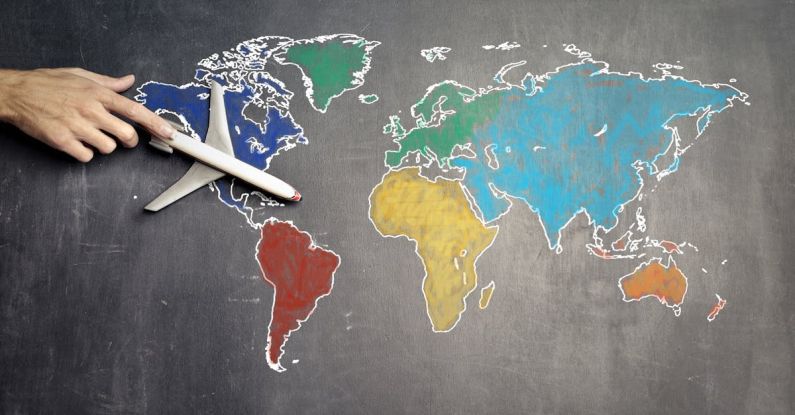
Global Citizenship: Embracing Responsibility Beyond Borders
In an increasingly interconnected world, the concept of global citizenship has gained significant traction as individuals and communities recognize the importance of taking responsibility beyond national borders. But what does global citizenship truly mean in practice? Beyond the lofty ideals and rhetoric, how can individuals embody this concept in their everyday lives? This article delves into the practical implications of global citizenship and explores how individuals can make a meaningful impact on a global scale.
Embracing Diversity and Inclusion
At the core of global citizenship is the recognition and celebration of diversity. Global citizens understand that the world is made up of a rich tapestry of cultures, beliefs, and identities. Instead of viewing differences as barriers, global citizens embrace diversity as a source of strength and enrichment. In practice, this means actively seeking out opportunities to engage with people from different backgrounds, listening to their stories, and learning from their perspectives. By fostering a culture of inclusivity, global citizens contribute to building a more tolerant and understanding world.
Promoting Social and Environmental Justice
Global citizenship goes beyond cultural exchange and extends to advocating for social and environmental justice on a global scale. This involves standing up against inequality, discrimination, and environmental degradation wherever they occur. Global citizens recognize that issues such as poverty, climate change, and human rights violations are not confined by national borders and require collective action to address. In practice, individuals can support organizations and initiatives that promote social and environmental justice, participate in advocacy campaigns, and make conscious choices that minimize their impact on the planet.
Engaging in Cross-Cultural Dialogue
One of the key practices of global citizenship is engaging in cross-cultural dialogue to foster understanding and bridge divides. By engaging in conversations with individuals from different cultural backgrounds, global citizens can challenge stereotypes, break down barriers, and build connections based on mutual respect and empathy. In practice, this can involve participating in cultural exchange programs, attending intercultural events, or simply striking up a conversation with someone from a different background. Through dialogue and exchange, global citizens can cultivate a sense of global interconnectedness and solidarity.
Supporting Sustainable Development Goals
The United Nations Sustainable Development Goals (SDGs) provide a roadmap for addressing the most pressing global challenges, from poverty and hunger to climate change and inequality. Global citizens can contribute to the realization of these goals by supporting initiatives that align with the SDGs and advocating for policies that promote sustainable development. In practice, this may involve volunteering with organizations that work towards specific SDGs, raising awareness about the goals within their communities, and holding governments and corporations accountable for their commitments to sustainable development.
Taking Action in Local and Global Communities
Global citizenship is not just about thinking globally; it also involves acting locally to make a difference in communities around the world. Whether through volunteer work, charitable donations, or advocacy efforts, global citizens can leverage their resources and skills to support causes that resonate with their values. By taking action both in their local communities and on a global scale, individuals can demonstrate their commitment to making a positive impact on the world.
Embodying Global Citizenship in Everyday Life
Practicing global citizenship is not limited to grand gestures or high-profile initiatives; it is a mindset that can be embodied in everyday actions and interactions. From supporting fair trade products to engaging in conversations about global issues with friends and family, individuals can incorporate global citizenship into their daily routines. By cultivating a sense of empathy, curiosity, and responsibility towards the world at large, individuals can become true global citizens who contribute to a more just, inclusive, and sustainable global community.
Embracing the Responsibility of Global Citizenship
As the world becomes increasingly interconnected, the concept of global citizenship takes on greater significance as individuals recognize their role in shaping a more equitable and sustainable future for all. By embracing diversity, advocating for social and environmental justice, engaging in cross-cultural dialogue, supporting sustainable development goals, and taking action in local and global communities, individuals can embody the principles of global citizenship in their everyday lives. Ultimately, global citizenship is not just a philosophical ideal but a practical commitment to creating a more harmonious and interconnected world for present and future generations to come.