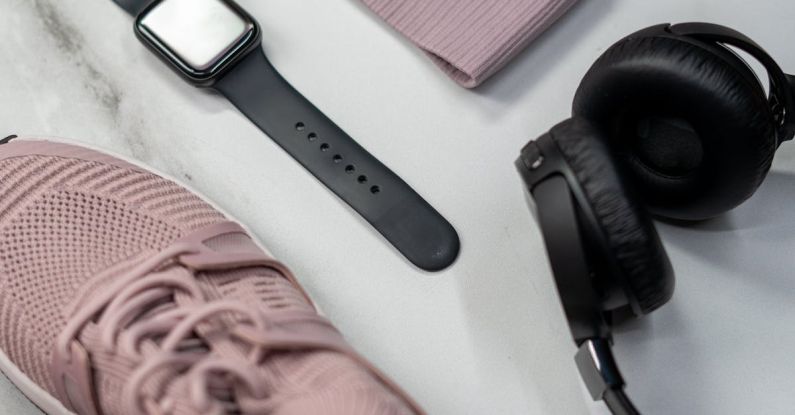
In today’s fast-paced world where health and fitness have become a top priority for many individuals, wearable fitness trackers have gained immense popularity. These devices, often worn on the wrist like a watch, are designed to monitor various aspects of health and fitness, including steps taken, calories burned, heart rate, and even sleep patterns. But how effective are these gadgets in helping users achieve their fitness goals? Let’s delve into the effectiveness of wearable fitness trackers and whether they truly live up to the hype.
Tracking Physical Activity
One of the key features of wearable fitness trackers is their ability to monitor physical activity throughout the day. By counting steps taken and distance traveled, these devices provide users with valuable insights into their daily movement patterns. For individuals looking to increase their daily activity levels, a fitness tracker can serve as a useful tool for setting and achieving step count goals.
Monitoring Heart Rate
Another important function of wearable fitness trackers is the ability to monitor heart rate during exercise and throughout the day. By tracking heart rate zones during workouts, users can ensure they are exercising at the right intensity to maximize their fitness gains. Additionally, monitoring resting heart rate can provide valuable information about overall cardiovascular health and fitness levels.
Calories Burned
Many wearable fitness trackers also offer an estimation of calories burned throughout the day based on activity levels and heart rate data. While these calorie counts may not be 100% accurate, they can still provide users with a general idea of their energy expenditure. This information can be helpful for individuals looking to maintain or lose weight by ensuring they are burning more calories than they consume.
Sleep Tracking
In addition to monitoring physical activity and heart rate, some wearable fitness trackers also offer sleep tracking features. By analyzing sleep patterns and providing insights into the quality and duration of sleep, these devices can help users identify areas for improvement in their nightly rest. Better sleep quality can lead to improved overall health and fitness performance.
Motivation and Accountability
One of the biggest benefits of wearable fitness trackers is the motivation and accountability they provide to users. By setting goals, tracking progress, and receiving reminders to move, these devices can help individuals stay on track with their fitness routines. The real-time feedback and visual representations of data can be powerful motivators for those looking to lead a more active lifestyle.
Integration with Apps and Social Support
Many wearable fitness trackers are designed to sync with smartphone apps, allowing users to view their data in more detail and analyze trends over time. Some devices even offer social features that allow users to connect with friends and family for added support and motivation. This integration with apps and social support networks can further enhance the effectiveness of wearable fitness trackers in helping users reach their fitness goals.
Potential Limitations
While wearable fitness trackers offer many benefits, it is important to acknowledge their potential limitations. Some studies have shown that individuals may become overly reliant on these devices and lose intrinsic motivation to exercise. Additionally, the accuracy of certain metrics, such as calorie counts and sleep tracking, may vary between different devices and brands.
In Conclusion
Wearable fitness trackers can be effective tools for monitoring physical activity, heart rate, calories burned, and sleep patterns. These devices provide valuable insights, motivation, and accountability to help users achieve their fitness goals. While they may have some limitations, the overall effectiveness of wearable fitness trackers lies in their ability to empower individuals to take control of their health and well-being. Whether you are a fitness enthusiast or someone looking to improve your overall health, a wearable fitness tracker can be a valuable companion on your journey to a healthier lifestyle.