Virtual reality (VR) technology has revolutionized the way we experience and interact with the digital world. By immersing users in realistic, computer-generated environments, VR has the power to alter perception in profound ways. From enhancing empathy to changing our sense of time and space, the impact of VR on perception is a fascinating subject that continues to be explored by researchers and enthusiasts alike.
The Immersive Experience of Virtual Reality
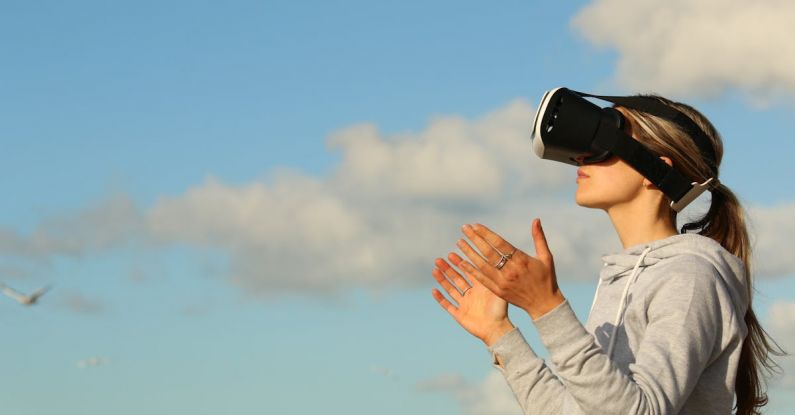
One of the most striking aspects of virtual reality is its ability to transport users to entirely new worlds, immersing them in experiences that feel incredibly real. Through the use of specialized headsets and controllers, VR technology tricks our senses into believing that we are truly present in a different environment. This sense of immersion can be so powerful that users often report feeling as though they have physically visited the virtual world, even after removing the headset.
The Impact on Empathy and Perspective
Virtual reality has shown great promise in its ability to foster empathy and understanding by allowing users to see the world from a different perspective. Through VR simulations, individuals can step into the shoes of others and experience situations they may never encounter in their own lives. This has applications in fields such as education, healthcare, and social justice, where VR can be used to promote empathy and highlight important social issues.
The Visual and Auditory Illusions of VR
One of the key ways in which virtual reality alters perception is through the manipulation of our visual and auditory senses. In a VR environment, users are presented with 3D visuals and spatial audio that create a convincing sense of depth and presence. By controlling what users see and hear, VR can distort their perception of reality, leading to experiences that feel both familiar and surreal at the same time.
The Sense of Presence and Embodiment
A crucial aspect of the VR experience is the sense of presence, which refers to the feeling of being physically located in the virtual environment. This feeling of presence is often enhanced by the concept of embodiment, where users are represented by avatars or characters within the VR world. Through this embodiment, users can interact with the virtual environment in a way that feels natural, further blurring the line between what is real and what is simulated.
The Altered Perception of Time and Space
In virtual reality, the normal constraints of time and space can be bent and manipulated in ways that are not possible in the physical world. Users may perceive time differently in VR, with minutes feeling like hours or vice versa, depending on the intensity of the experience. Similarly, the sense of scale and distance can be distorted in VR, leading to a heightened awareness of space that can be disorienting yet exhilarating.
The Psychological and Therapeutic Applications of VR
Beyond entertainment and gaming, virtual reality has shown great potential in the field of psychology and therapy. VR interventions have been used to treat phobias, PTSD, and anxiety disorders by exposing patients to controlled simulations of their fears in a safe and supportive environment. By altering perception and triggering emotional responses, VR therapy has proven to be an effective tool for helping individuals overcome mental health challenges.
Exploring the Boundaries of Reality in Virtual Worlds
As technology continues to advance, the boundaries between reality and virtual worlds are becoming increasingly blurred. With the rise of augmented reality (AR) and mixed reality (MR) technologies, the possibilities for altering perception and creating immersive experiences are expanding rapidly. From interactive storytelling to virtual tourism, the future of virtual reality holds exciting opportunities for shaping how we perceive and interact with the world around us.
In conclusion, virtual reality has the power to alter perception in ways that challenge our understanding of reality and consciousness. By immersing users in artificial environments and manipulating their senses, VR technology opens up new possibilities for exploration, empathy, and creativity. As we continue to push the boundaries of what is possible in virtual worlds, the impact of VR on perception is sure to shape the way we experience and interpret the world for years to come.