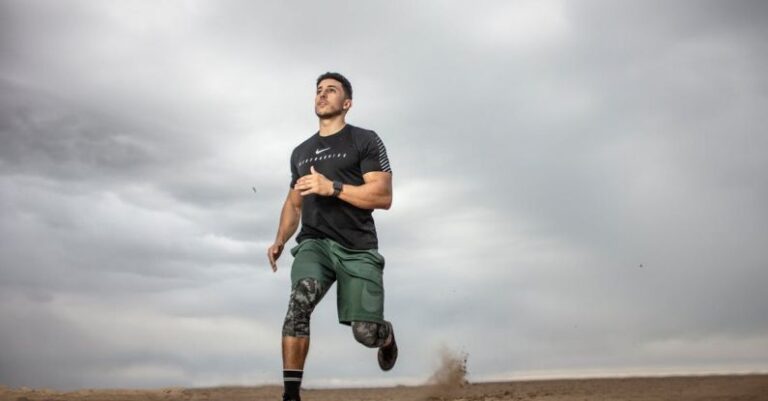
When it comes to maximizing exercise performance, nutrition plays a crucial role in fueling the body and optimizing recovery. The food and drinks we consume directly impact our energy levels, endurance, strength, and overall athletic performance. Understanding how nutrition affects exercise performance can help individuals make informed choices to enhance their workouts and achieve their fitness goals.
**Fueling Your Workouts**
Proper nutrition provides the body with the necessary fuel to power through workouts effectively. Carbohydrates are the primary source of energy for exercise, as they are broken down into glucose to fuel muscles during physical activity. Including complex carbohydrates such as whole grains, fruits, and vegetables in your diet can help maintain optimal energy levels during workouts. Additionally, consuming simple carbohydrates like fruits or sports drinks before and after exercise can provide quick energy for intense workouts and aid in muscle glycogen replenishment post-exercise.
**Building and Repairing Muscles**
Protein is essential for building and repairing muscles, making it a vital component of exercise performance. Consuming an adequate amount of protein supports muscle growth and repair, helping to improve strength and endurance over time. Including lean sources of protein such as chicken, fish, tofu, or legumes in your meals can aid in muscle recovery and promote muscle protein synthesis after workouts. Aim to consume protein-rich foods within 30 minutes to an hour post-exercise to optimize muscle repair and growth.
**Hydration for Optimal Performance**
Staying hydrated is crucial for maintaining exercise performance and overall health. Dehydration can lead to decreased endurance, muscle cramps, and impaired cognitive function during workouts. Drinking an adequate amount of water before, during, and after exercise helps regulate body temperature, transport nutrients, and remove waste products from the body. Monitoring your fluid intake and adjusting it based on activity level, temperature, and sweat rate can help prevent dehydration and optimize exercise performance.
**Micronutrients for Energy Production**
In addition to macronutrients like carbohydrates, proteins, and fats, micronutrients play a key role in energy production and exercise performance. Vitamins and minerals such as vitamin B, iron, and magnesium are involved in energy metabolism, muscle function, and oxygen transport in the body. Consuming a varied diet rich in fruits, vegetables, whole grains, and lean proteins can help ensure you are getting an adequate amount of micronutrients to support optimal exercise performance. Consider incorporating nutrient-dense foods like leafy greens, nuts, seeds, and fortified cereals into your meals to meet your micronutrient needs.
**Timing Your Meals and Snacks**
The timing of your meals and snacks can impact exercise performance by providing the body with the necessary nutrients at the right times. Eating a balanced meal containing carbohydrates, proteins, and fats 2-3 hours before a workout can help top off glycogen stores and provide sustained energy for exercise. Consuming a small snack or sports drink 30 minutes to an hour before exercise can provide a quick source of energy for high-intensity workouts. After exercise, aim to refuel with a combination of carbohydrates and proteins within the first hour to support muscle recovery and glycogen replenishment.
**Optimizing Recovery and Adaptation**
Proper nutrition is essential for optimizing recovery and adaptation to exercise. Consuming a post-workout meal or snack containing carbohydrates and proteins can help replenish glycogen stores, repair muscle damage, and reduce muscle soreness. Including anti-inflammatory foods like berries, fatty fish, turmeric, or green tea in your diet can help reduce inflammation and support recovery after intense workouts. Prioritizing sleep, managing stress, and incorporating rest days into your training schedule are also crucial for allowing the body to recover and adapt to exercise stress.
**Fueling Your Exercise Journey**
In conclusion, nutrition plays a vital role in exercise performance by providing the body with the necessary fuel, building and repairing muscles, maintaining hydration, supporting energy production, and optimizing recovery. By focusing on consuming a balanced diet rich in carbohydrates, proteins, fats, vitamins, and minerals, individuals can fuel their workouts effectively, enhance their performance, and achieve their fitness goals. Making informed choices about nutrition and timing meals and snacks can help you maximize your exercise potential and enjoy the benefits of a healthy, active lifestyle.