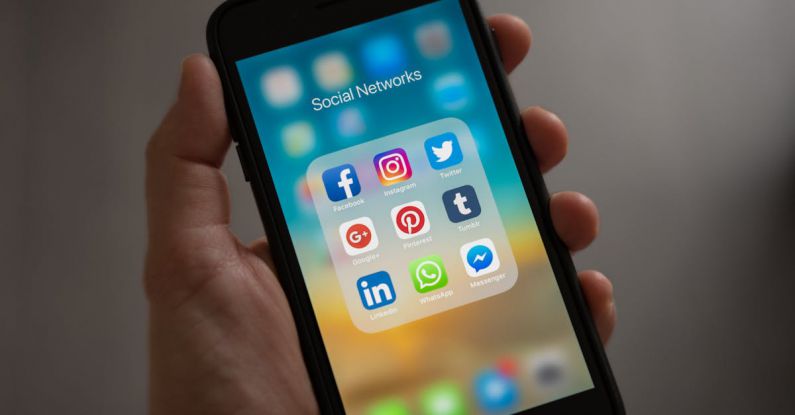
In today’s digital age, social media has become an integral part of our daily lives. From connecting with friends and family to staying updated on current events, social media platforms offer a plethora of benefits. However, there is an ongoing debate about the impact of social media on mental health. With the rise of cyberbullying, FOMO (fear of missing out), and the pressure to present a perfect image online, many experts are raising concerns about the potential negative effects of excessive social media use. So, does social media have an impact on mental health? Let’s delve into this complex and important issue.
**The Connection Between Social Media and Mental Health**
Social media can have both positive and negative effects on mental health. On the positive side, social media provides a platform for social connection and support, especially for individuals who may feel isolated or lonely. It allows people to stay connected with loved ones, build new relationships, and access information and resources that can be beneficial for mental well-being.
However, the negative aspects of social media cannot be ignored. Research has shown a correlation between heavy social media use and increased feelings of anxiety, depression, and loneliness. The constant exposure to carefully curated images and posts showcasing idealized lifestyles can lead to feelings of inadequacy and low self-esteem. Moreover, the pressure to constantly compare oneself to others on social media can exacerbate existing mental health issues and contribute to a negative self-image.
**The Influence of Cyberbullying**
One of the most concerning aspects of social media’s impact on mental health is cyberbullying. With the anonymity that social media platforms provide, individuals can easily engage in harmful behaviors such as harassment, bullying, and spreading rumors. Cyberbullying can have serious consequences for the mental health of victims, leading to increased levels of stress, anxiety, and even thoughts of self-harm.
**The Role of FOMO and Social Comparison**
The fear of missing out (FOMO) is another psychological phenomenon that is amplified by social media. Constantly seeing posts of friends or acquaintances engaging in exciting activities or achieving milestones can trigger feelings of jealousy and inadequacy. This constant comparison to others can have a detrimental effect on mental health, leading to feelings of unworthiness and dissatisfaction with one’s own life.
**Managing Social Media Use for Better Mental Health**
While the negative impact of social media on mental health is a valid concern, there are steps that individuals can take to mitigate these effects. Setting boundaries around social media use, such as limiting screen time, unfollowing accounts that trigger negative emotions, and taking regular breaks from social media, can help promote a healthier relationship with these platforms.
Additionally, practicing self-care activities such as mindfulness, exercise, and spending time offline engaging in hobbies and activities that bring joy can help counteract the negative effects of social media on mental health. Seeking support from mental health professionals or trusted individuals can also be beneficial for those struggling with the psychological toll of social media use.
**In Conclusion: Navigating the Social Media Landscape**
In conclusion, the impact of social media on mental health is a complex and multifaceted issue. While social media offers numerous benefits in terms of connectivity and information sharing, it also poses risks to mental well-being, particularly through cyberbullying, FOMO, and social comparison. By being mindful of their social media use and prioritizing self-care, individuals can navigate the social media landscape in a way that supports their mental health and overall well-being.