A good night’s sleep is essential for overall health and well-being. Yet, in today’s fast-paced world, many people struggle with getting quality sleep. Stress, poor sleep habits, and a sedentary lifestyle can all contribute to sleep disturbances. However, one often overlooked solution that can potentially improve sleep quality is physical activity. Regular exercise has been shown to have numerous benefits for both physical and mental health, and its positive impact on sleep should not be underestimated.
The Link Between Physical Activity and Sleep Quality
The relationship between physical activity and sleep quality has been the subject of numerous studies, and the evidence is clear: regular exercise can improve the duration and quality of sleep. When we engage in physical activity, our bodies release endorphins, which are our natural “feel-good” hormones. These endorphins not only help to reduce feelings of stress and anxiety but also promote relaxation and a sense of well-being, all of which can contribute to better sleep.
Moreover, exercise can help regulate our body’s internal clock, known as the circadian rhythm, which plays a crucial role in determining when we feel sleepy and when we wake up. By establishing a regular exercise routine, we can help synchronize our internal clock, making it easier to fall asleep at night and wake up feeling refreshed in the morning.
Types of Physical Activity for Better Sleep
When it comes to improving sleep quality, not all types of physical activity are created equal. While any form of exercise is beneficial, certain types of activities may have a more significant impact on sleep. Aerobic exercises, such as running, swimming, or cycling, have been shown to be particularly effective in promoting better sleep. These activities elevate the heart rate and body temperature, leading to increased feelings of relaxation and improved sleep quality.
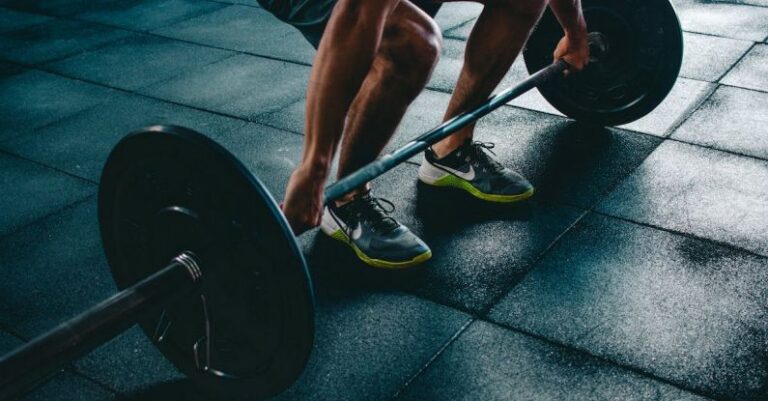
Strength training exercises, such as weightlifting or bodyweight exercises, can also have a positive effect on sleep. Building muscle through strength training can help regulate hormone levels and promote better overall health, which can in turn lead to improved sleep patterns. Additionally, incorporating activities that focus on flexibility and relaxation, such as yoga or tai chi, can help reduce stress and tension in the body, making it easier to unwind and fall asleep at night.
Timing Is Key
While engaging in physical activity can have numerous benefits for sleep quality, the timing of exercise is crucial. Exercising too close to bedtime can have a stimulating effect on the body, making it harder to fall asleep. It is generally recommended to avoid vigorous exercise at least 2-3 hours before bedtime to allow the body to wind down and prepare for sleep.
On the other hand, exercising earlier in the day can help promote better sleep by allowing the body to reap the full benefits of physical activity. Morning or afternoon workouts can help increase alertness and energy levels during the day, while also promoting feelings of relaxation and fatigue in the evening, making it easier to fall asleep and stay asleep throughout the night.
Incorporating Physical Activity Into Your Routine
If you are looking to improve your sleep quality through physical activity, it’s essential to find activities that you enjoy and can realistically incorporate into your daily routine. Whether it’s going for a run, taking a yoga class, or simply going for a walk, finding ways to stay active can have a positive impact on your overall health and well-being, including your sleep quality.
Conclusion: Harnessing the Power of Physical Activity for Better Sleep
In conclusion, physical activity can be a powerful tool for improving sleep quality. By engaging in regular exercise, you can reduce stress, regulate your body’s internal clock, and promote relaxation, all of which can lead to better sleep. Whether you prefer aerobic exercises, strength training, or flexibility activities, finding ways to stay active and incorporate physical activity into your routine can have a profound impact on your sleep patterns. So, lace up your sneakers, roll out your yoga mat, or grab your weights – and get ready to enjoy the benefits of a good night’s sleep.