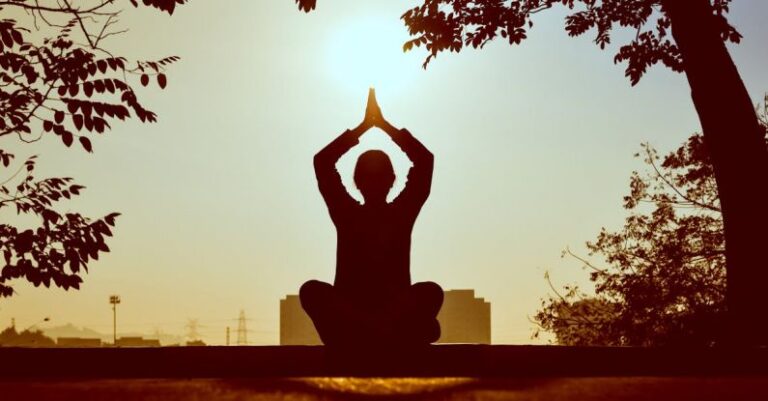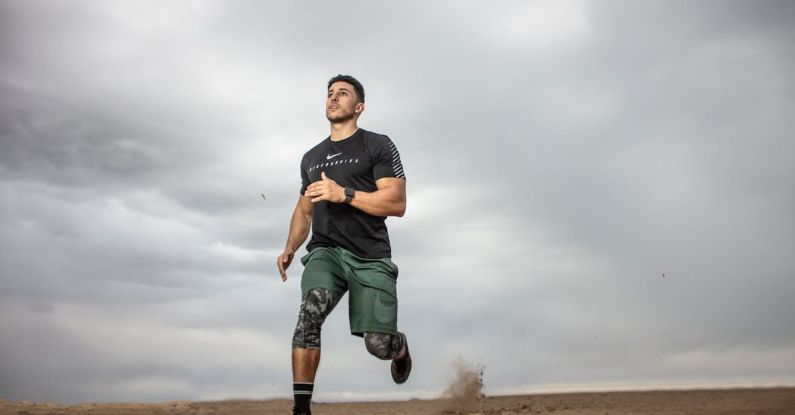
In today’s fast-paced world, many people turn to meditation to find peace and balance in their lives. However, for those who struggle to sit still and quiet their minds, traditional meditation practices can feel daunting. This is where the concept of using exercise as a form of meditation comes into play. By engaging in physical activity, individuals may be able to achieve a state of mindfulness and focus that is similar to what is experienced during traditional meditation practices. This article explores the question: Can exercise be a form of meditation?
The Mind-Body Connection
The mind-body connection is a powerful force that influences our overall well-being. When we engage in physical activity, our bodies release endorphins, also known as “feel-good” hormones, which can help reduce stress and improve our mood. This release of endorphins can create a sense of euphoria and relaxation, similar to the feelings experienced during meditation. By focusing on the present moment and the physical sensations of the body during exercise, individuals can cultivate a sense of mindfulness that can be deeply meditative.
Flow State: The Zone of Mindfulness
Have you ever experienced a moment during exercise when you felt completely in the zone, completely immersed in the activity at hand? This state of intense focus and concentration is known as the “flow state,” and it is often described as a feeling of being in the present moment and fully engaged in the task at hand. During this state, individuals may experience a sense of timelessness and effortless action, much like the mental clarity and focus achieved through meditation.
Connecting with Nature
Many forms of exercise, such as running, hiking, or yoga, take place outdoors in natural settings. Being surrounded by nature can have a calming and grounding effect on the mind, allowing individuals to connect with their surroundings and experience a sense of peace and tranquility. The sights, sounds, and smells of nature can help individuals feel more present and connected to the world around them, fostering a meditative state of awareness and appreciation.
Breath Awareness in Movement
One of the key components of meditation is focusing on the breath as a way to anchor the mind and cultivate mindfulness. In many forms of exercise, such as yoga, Pilates, and Tai Chi, breath awareness is an essential part of the practice. By syncing breath with movement, individuals can deepen their connection to their bodies and minds, creating a sense of harmony and balance that is reminiscent of meditation. Paying attention to the breath during exercise can help individuals stay present and centered, allowing them to experience a sense of calm and clarity.
Embracing Imperfection and Self-Compassion
In traditional meditation practices, individuals are encouraged to let go of judgment and self-criticism, accepting whatever thoughts or feelings arise without attachment. Similarly, in exercise, it is important to embrace imperfection and practice self-compassion. Instead of striving for perfection or comparing oneself to others, individuals can focus on their own progress and growth, honoring their bodies and abilities in the present moment. This shift in mindset can lead to a more positive and empowering exercise experience that is deeply reflective of the principles of meditation.
The Integration of Mindfulness and Movement
In conclusion, the integration of mindfulness and movement can transform exercise into a form of meditation that nurtures both the body and mind. By approaching physical activity with a sense of awareness, presence, and self-compassion, individuals can reap the benefits of meditation while engaging in the dynamic and energizing practice of exercise. Whether it’s through breath awareness, flow states, or connection with nature, exercise has the potential to be a powerful tool for cultivating mindfulness and finding inner peace in our daily lives. So, the next time you lace up your sneakers or roll out your yoga mat, consider the possibility that exercise can be a form of meditation, offering a pathway to greater well-being and vitality.