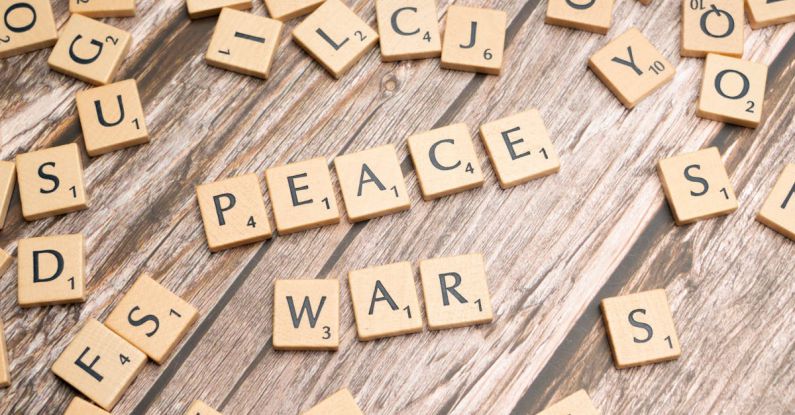
Conflict is an inevitable part of human interaction, whether it occurs in personal relationships, professional settings, or within communities. The way we handle conflicts can greatly impact the outcomes and the relationships involved. Effective conflict resolution strategies are essential for fostering understanding, promoting collaboration, and achieving positive outcomes. In this article, we will explore some key strategies that can help individuals navigate conflicts in a constructive and productive manner.
Understanding the Root Cause of Conflict
Conflict often arises from miscommunication, differences in values or goals, or unmet expectations. Before attempting to resolve a conflict, it is crucial to understand the underlying reasons that have led to the disagreement. By identifying the root cause of the conflict, individuals can address the core issues rather than just the surface-level symptoms.
Active Listening and Empathy
One of the most powerful tools in conflict resolution is active listening. When engaged in a conflict, it is important to listen attentively to the other party’s perspective without interrupting or formulating a response prematurely. By actively listening, individuals can demonstrate empathy and a willingness to understand the other person’s point of view. Empathy can help in building trust and opening up avenues for constructive dialogue.
Effective Communication
Clear and respectful communication is key to resolving conflicts successfully. When expressing concerns or disagreements, it is important to use “I” statements to convey personal feelings and experiences without placing blame on the other party. Moreover, active communication involves being aware of non-verbal cues, such as body language and tone of voice, which can significantly impact how a message is received.
Seeking Common Ground
In many conflicts, there are areas of common ground that can serve as a foundation for resolution. By focusing on shared goals or interests, individuals can find opportunities for collaboration and compromise. Identifying common ground can help in shifting the focus from differences to mutual objectives, fostering a sense of cooperation and unity.
Collaborative Problem-Solving
Conflict resolution is not about winning or losing but about finding mutually beneficial solutions. Collaborative problem-solving involves working together to generate creative solutions that address the needs and concerns of all parties involved. By engaging in a collaborative process, individuals can explore different perspectives and brainstorm innovative ways to resolve the conflict.
Maintaining Emotional Regulation
Emotions often run high during conflicts, making it challenging to think rationally and respond calmly. It is essential to practice emotional regulation by taking a step back, breathing deeply, and refraining from reacting impulsively. By managing emotions effectively, individuals can approach conflicts with a clear mind and make informed decisions based on reason rather than reactivity.
Seeking Mediation or Third-Party Intervention
In some cases, conflicts may be too complex or emotionally charged to resolve independently. Seeking mediation or involving a neutral third party can help facilitate communication, clarify misunderstandings, and guide the conflict resolution process. Mediators can provide a structured framework for dialogue and help parties find common ground.
Learning from Conflict
Conflict, when managed effectively, can be a valuable learning experience. It offers an opportunity for individuals to gain insights into their own communication styles, triggers, and conflict resolution skills. By reflecting on past conflicts and identifying areas for growth, individuals can enhance their ability to navigate future conflicts more effectively.
Embracing a Growth Mindset
Conflict resolution is a skill that can be developed and refined over time. By adopting a growth mindset and being open to learning from each conflict experience, individuals can continuously improve their conflict resolution abilities. Embracing challenges as opportunities for growth can empower individuals to approach conflicts with resilience and adaptability.
In conclusion, effective conflict resolution strategies are essential for fostering healthy relationships, promoting understanding, and achieving positive outcomes. By understanding the root cause of conflicts, practicing active listening, communicating effectively, seeking common ground, engaging in collaborative problem-solving, maintaining emotional regulation, seeking mediation when needed, and embracing a growth mindset, individuals can navigate conflicts in a constructive and productive manner. Conflict resolution is a skill that can be honed through practice, self-awareness, and a commitment to building stronger connections with others.