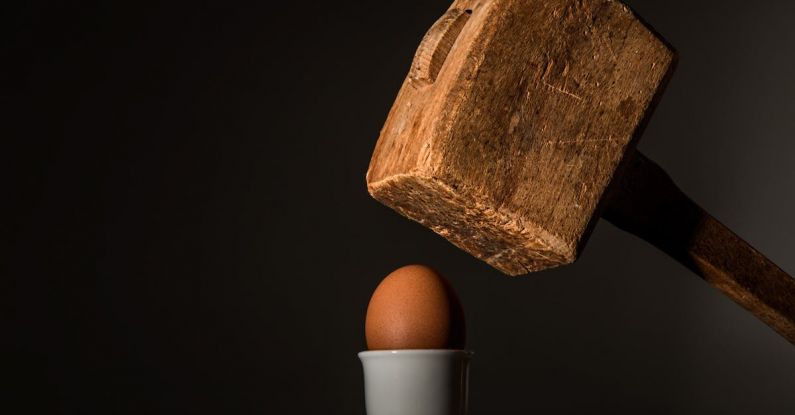
As humans, we often associate vulnerability with weakness. However, embracing vulnerability can actually lead to personal strength and growth. It may seem counterintuitive, but allowing yourself to be vulnerable can open up a world of opportunities for self-discovery, resilience, and connection with others. In this article, we will explore how vulnerability can be a powerful tool in cultivating personal strength and why it is essential to embrace it in our lives.
**Embracing Authenticity**
When we allow ourselves to be vulnerable, we are essentially showing our true selves to the world. This authenticity is a powerful form of strength because it requires courage and self-acceptance. By being authentic and vulnerable, we are letting go of the need to wear masks or put up walls to protect ourselves. Instead, we are embracing our imperfections and vulnerabilities, which can be incredibly liberating.
**Building Resilience**
Vulnerability is often associated with emotional risk and uncertainty. However, it is through these moments of vulnerability that we can build resilience. When we allow ourselves to be vulnerable and face our fears head-on, we are strengthening our emotional muscles and developing the ability to bounce back from setbacks. Resilience is a key component of personal strength, and vulnerability can be a powerful catalyst for its development.
**Fostering Connection**
One of the most beautiful aspects of vulnerability is its ability to foster deep connections with others. When we allow ourselves to be vulnerable, we are opening up the door for genuine and meaningful relationships to flourish. By sharing our vulnerabilities with others, we are creating space for empathy, understanding, and intimacy. These connections can be incredibly empowering and can provide us with a sense of belonging and support.
**Cultivating Self-Compassion**
Embracing vulnerability also allows us to cultivate self-compassion. When we are vulnerable, we are often faced with our own insecurities and self-doubt. However, instead of being self-critical, vulnerability encourages us to practice self-compassion and kindness towards ourselves. By acknowledging our vulnerabilities and treating ourselves with compassion, we can build a strong foundation of self-love and acceptance.
**Empowering Growth**
At its core, vulnerability is about stepping outside of our comfort zones and embracing the unknown. This willingness to take risks and explore new territories is essential for personal growth and development. When we allow ourselves to be vulnerable, we are opening ourselves up to new experiences, perspectives, and possibilities. This openness to growth and change can lead to personal transformation and empowerment.
**Embracing Vulnerability as Strength**
In a world that often values strength as stoicism and invulnerability, it can be challenging to embrace vulnerability as a source of personal strength. However, by reframing our understanding of vulnerability and recognizing its potential for growth and connection, we can harness its power to cultivate resilience, authenticity, and self-compassion. Embracing vulnerability is not a sign of weakness but rather a testament to our courage and willingness to show up authentically in the world.
**In Conclusion**
Embracing vulnerability can be a transformative journey towards personal strength and empowerment. By allowing ourselves to be vulnerable, we are tapping into our inner resilience, fostering deep connections with others, and cultivating self-compassion. It is through vulnerability that we can truly embrace our authenticity and empower ourselves to grow and thrive in all areas of our lives. So, let us embrace vulnerability not as a weakness, but as a powerful tool for personal strength and growth.